Showing all 12 results
A Simple Guide to Vitiligo Skincare
Skin affected by vitiligo has lost its melanin, so it burns easily and often feels more sensitive than the rest of your skin. Good vitiligo skincare focuses on three things: protecting depigmented patches from the sun, evening out the look of your skin tone, and keeping your skin barrier calm and comfortable. Every product in our shop has been chosen with those needs in mind.

1. Protect: Sun Protection Is the Heart of Vitiligo Skincare
White patches have no natural defence against UV rays, so they can burn in minutes. Dermatologists at the American Academy of Dermatology recommend a broad-spectrum, water-resistant sunscreen with SPF 30 or higher on all skin that clothing does not cover, reapplied every two hours outdoors and after swimming or sweating. You can read their full vitiligo self-care advice.
Mineral sunscreens with zinc oxide are usually gentle on sensitive skin. Shop our sun protection range, including a fragrance-free mineral SPF 50+ and an everyday tinted SPF 30.
2. Even Out: Cover and Camouflage
Some days you may want a more even look. Waterproof cover creams blend over patches and last through the day, while gradual self-tan lotions slowly add colour to lighter skin. Both are simple, non-medical ways to soften contrast. See our cover & camouflage products.
3. Care: Gentle Everyday Skincare
Harsh soaps and heavy fragrance can irritate sensitive skin. A soft cream cleanser, a rich barrier moisturiser and a light body lotion keep skin hydrated and comfortable morning and night. Explore our daily care essentials and wellness supplements.
Monobenzone for Vitiligo: Depigmentation for Extensive Vitiligo
When vitiligo covers most of the body, some people decide with their dermatologist to remove the remaining pigment instead of trying to restore it. The most widely used medicine for this is monobenzone, a cream applied to the remaining pigmented skin that permanently removes its colour so the skin looks even. Using monobenzone for vitiligo is a big decision because the effect is permanent, so it is only started after a careful discussion with a dermatologist.

Choosing a Monobenzone Strength
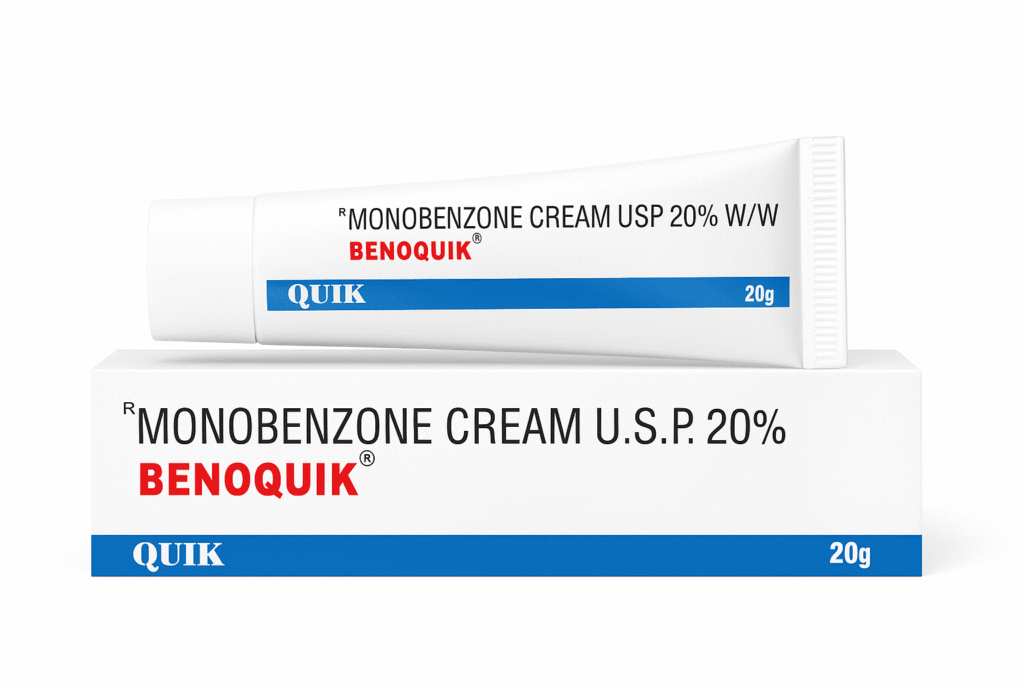
- 20%: the usual starting strength. Choose Benoquik Monobenzone 20% Cream or Benoquin 20% Cream.
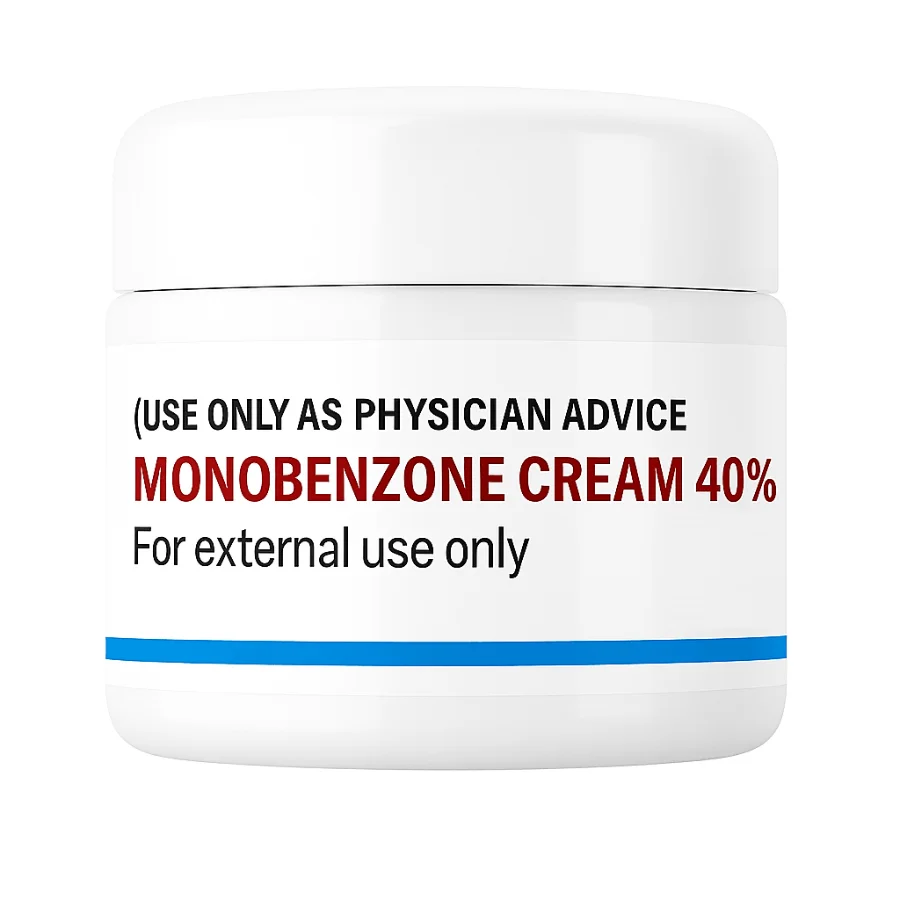
- 40%: Monobenzone 40% Cream, for resistant areas or thicker skin such as the hands and legs.
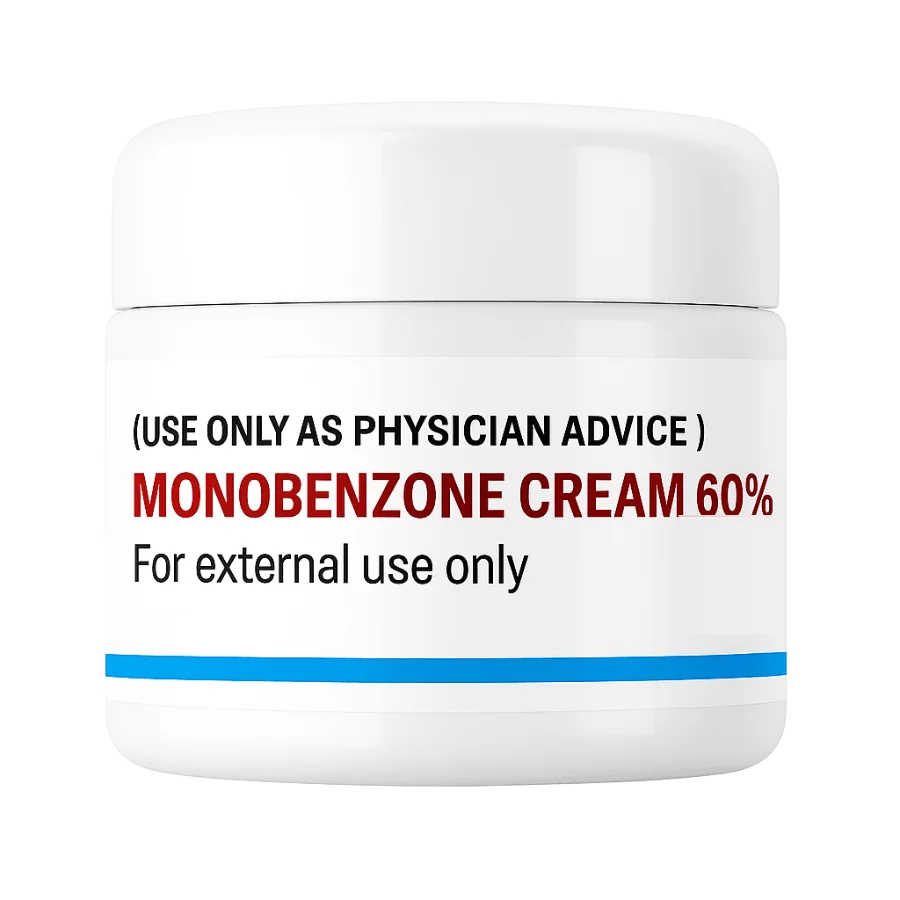
- 60%: Monobenzone 60% Cream, an ultra-high strength for stubborn areas under strict supervision.
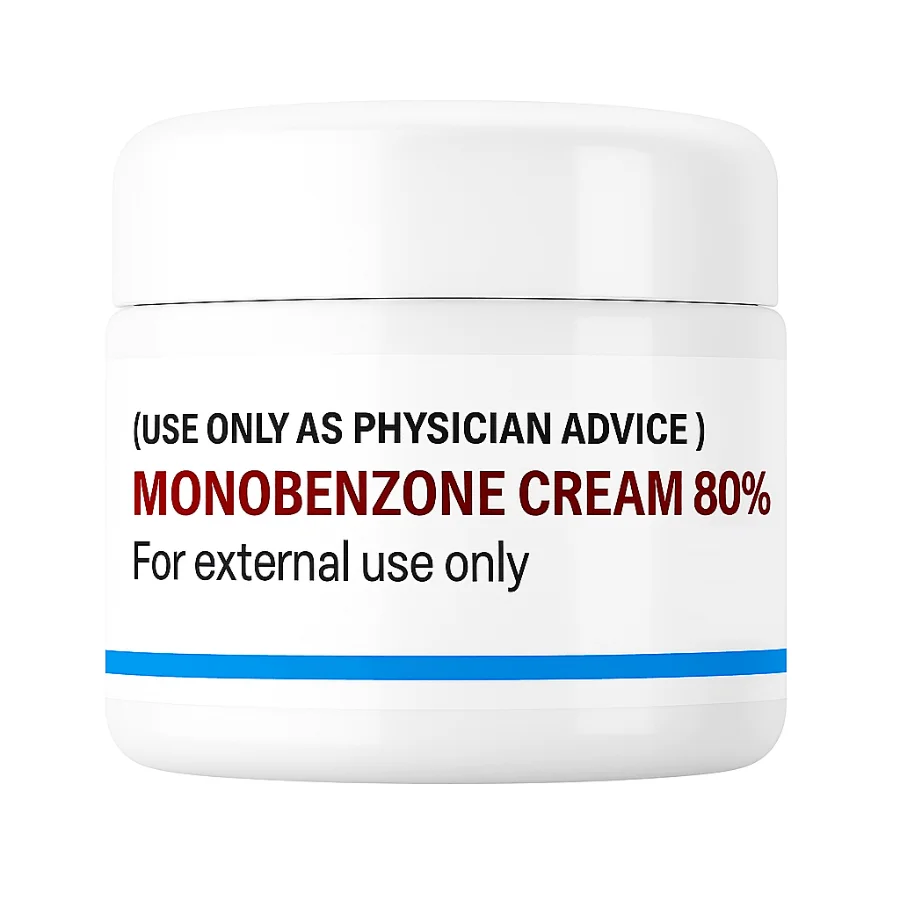
- 80%: Monobenzone 80% Cream, the strongest in our range, considered only when lower strengths have not worked.
All monobenzone creams are prescription medicines. Treated skin becomes permanently sensitive to the sun, so always pair monobenzone for vitiligo with the daily sun protection described above. Browse the full vitiligo treatment range.
Vitiligo Skincare for Every Skin Tone
Vitiligo can affect anyone, but the contrast between patches and surrounding skin looks different on light, medium and dark skin. On lighter skin, avoiding a tan is often the easiest way to make patches less noticeable, so daily sunscreen does double duty. On medium and deeper skin tones, the contrast is usually more visible, which is why many people combine sun protection with a cover cream in a close shade match or a tinted sunscreen that blends naturally.
Whatever your skin tone, the same rules apply: be gentle, protect from the sun every day, and choose products made for sensitive skin.
Vitiligo Skincare Ingredients: What to Look For and What to Avoid
Reading labels makes it much easier to choose products that suit sensitive, depigmented skin. These are the ingredients worth looking for:
- Zinc oxide and titanium dioxide: mineral sunscreen filters that sit on top of the skin and are usually well tolerated.
- Ceramides and glycerin: help repair and hydrate the skin barrier so it feels less tight and dry.
- Niacinamide and panthenol: calming ingredients often found in gentle moisturisers.
- Fragrance-free formulas: fewer potential irritants for reactive skin.
And these are best avoided or used with care:
- Strong fragrance and essential oils, which can sting or irritate.
- Harsh scrubs and rough exfoliating tools, which can damage the skin.
- Skin-bleaching or “whitening” creams sold for cosmetic use, which are not a safe way to even out vitiligo.
Protect Vitiligo Skin from Friction and Injury
In some people with vitiligo, injury to the skin such as cuts, burns, sunburn or constant rubbing can trigger new patches in that area. Gentle vitiligo skincare therefore also means treating your skin kindly: pat skin dry instead of rubbing, choose soft, breathable clothing, avoid tight straps that rub, and take care when shaving or using tools on your skin.
Is it safe to use makeup on vitiligo patches?
Yes, for most people. Cover creams and makeup sit on the surface of the skin and do not affect vitiligo itself. Choose fragrance-free, long-wearing formulas, remove them gently at night, and stop using any product that causes irritation.
Vitiligo Skincare by Body Area
Vitiligo often appears on the face, hands, feet and around the eyes and mouth. Each area needs slightly different care.
Face
Facial skin is thin and gets the most sun. Use a fragrance-free mineral sunscreen or tinted SPF every morning, even on cloudy days, and wear a wide-brimmed hat when you are outdoors for long periods. If you wear cover cream, apply it after sunscreen and remove it gently at night with a cream cleanser.
Hands and Feet
Hands are washed often and are exposed to sun while driving or walking, so they dry out and burn easily. Reapply sunscreen after washing your hands, keep a moisturiser by the sink, and wear gloves for cleaning or gardening to avoid friction and small injuries. On the feet, remember sunscreen when wearing sandals.
Around the Eyes and Lips
Patches around the eyes and mouth are common and the skin there is delicate. Choose an eye-safe mineral sunscreen, wear UV-protective sunglasses, and use a lip balm with SPF. Avoid rubbing the eye area when removing makeup.
Body
For the arms, legs, back and chest, lightweight sun-protective clothing does much of the work. Apply sunscreen to any skin clothing does not cover, and use a soothing body lotion after showering to keep skin soft.
Vitiligo Skincare Through the Seasons
Summer: UV levels are at their highest, so this is when depigmented skin is most at risk. Seek shade around midday, reapply sunscreen every two hours outdoors and after swimming or sweating, and choose water-resistant formulas for the beach or pool.
Winter: cold air and indoor heating dry the skin. Switch to a richer barrier moisturiser, keep showers warm rather than hot, and keep using sunscreen on your face and hands, because UV rays still reach the skin on cloudy days and reflect strongly off snow.
Travel: pack travel-size sunscreen, moisturiser and cover cream, and remember that sun is often stronger at high altitude and near the equator.
When to See a Dermatologist
Good vitiligo skincare supports your skin every day, but it works best alongside advice from a dermatologist. Book an appointment if you notice:
- New white or light patches, or patches that are spreading quickly
- Patches that are pink, red, itchy or inflamed
- Sunburn that blisters or does not heal
- Irritation, burning or a rash from any skincare or treatment product
- Questions about medical treatments, light therapy or depigmentation
A dermatologist can confirm the diagnosis, explain your treatment options and help you decide which products belong in your routine.
How to Build Your Vitiligo Skincare Routine
- Morning: cleanse gently, moisturise, then apply a broad-spectrum sunscreen to all exposed skin.
- During the day: reapply sunscreen every two hours outdoors and add cover cream if you want a more even look.
- Evening: remove sunscreen and makeup with a mild cleanser, then moisturise face and body.
- Every week: check your skin for new patches or sunburn and keep any dermatologist appointments.
Vitiligo Skincare FAQs
What is the best skincare for vitiligo?
Gentle, fragrance-free products work best. Start with a daily mineral sunscreen, a mild cleanser and a soothing moisturiser, then add cover products if you want a more even skin tone.
Can vitiligo skincare products cure vitiligo?
No. Skincare protects and cares for vitiligo skin and can improve how it looks, but it does not cure the condition. Speak to a dermatologist about medical treatment options.
Is monobenzone for vitiligo permanent?
Yes. Monobenzone permanently destroys the pigment cells in treated skin, so the lost colour does not come back. It is meant for people with extensive vitiligo who have chosen depigmentation with their dermatologist, never for cosmetic skin lightening.
Which sunscreen is best for vitiligo skin?
Choose a broad-spectrum, water-resistant sunscreen with SPF 30 or higher. Mineral formulas are often easier on sensitive skin, and a tinted sunscreen can also help even out your skin tone.
Not sure which products are right for you?
Contact our care team and we will help you build a simple vitiligo skincare routine for your skin.